Thursday, 9 August 2018

3 Days in Norfolk, mothing and birding

Set off for Stiffkey last Sunday for a few days mothing. birding and camping at High Sands Creek campsite. Wonderfully, traditional campsite, perfectly placed in the middle of North Norfolk. Plan was to meet up with Jess, Richie and their family whom Wendy and I met some years ago at the same site. Eldest son, Sidney, is an enthusiastic lad when it comes to moths,butterflies and insects, so always a pleasure to set up the trap, pot the haul in the early hours and then show them to the children on the campsite the following morning.
I arrived in temps in excess of 30C, pitched the new small tent easily and headed off to Wells for supplies.
Later had a beer with Richie and caught up with the children. Great to see them all again.
That evening, I placed the 15Watt heath trap on the footpath between the saltmarsh and a row of oaks and sycamores, taking several species unusual to me due to the habitat. In amongst this haul were several saltmarsh plume. There were 100's of these on the marsh, as I discovered the following night when the trap was placed actually on the saltmarsh. The final night it was threatening to rain, so I placed it under a large sycamore, close to the campsite.
In total, over 500 moths of 54 species, including 143 saltmarsh plumes on the 2nd night and an August thorn on the 3rd night. On the first night the moth of the evening was my first Evergestis pallidata, a rare moth for Hertfordshire, not yet sure of its status in Norfolk. Other notable ones were first of the year catches of flounced rustic, 6 striped rustic and rosy rustic.
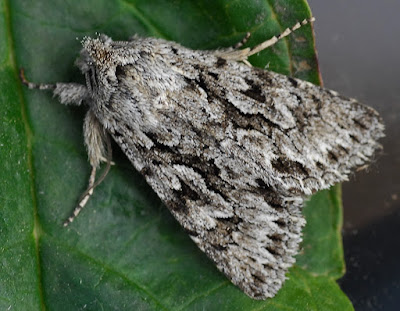
August thorn

Looking at the catch with enthusiastic youngsters

Trap set on Stiffkey saltmarsh

Sunset over Stiffkey

Dusk at Stiffkey

Sidney checking the catch

1 of the 143 Saltmarsh plumes taken on the Monday night
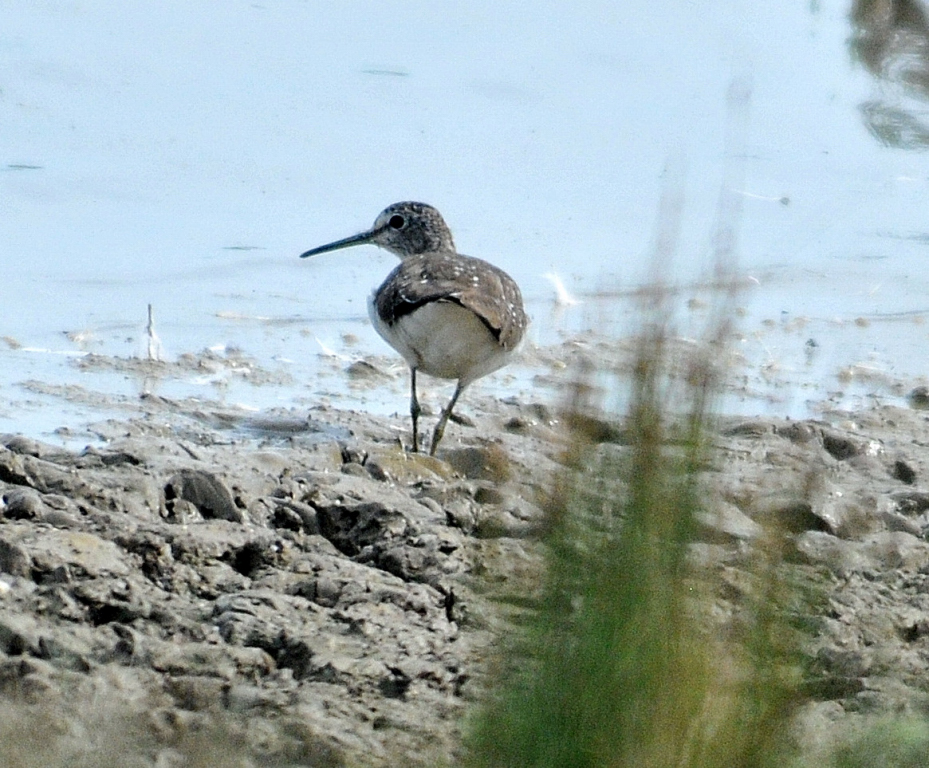
During the day I managed some birding time. On the Monday I spent the day around the Cley Square. The temperatures were again over 30C so I had already decided to not cart the scope around with me: just binoculars and camera. Some good birds with the first arrival of migrating waders. A green sandpiper from Daukes Hide was a year lister. Other good birds were common sandpiper, marsh harrier, bearded reedlings pinging in the reeds, a reed warbler family moving through the reeds and, finally as I was leaving the main set of hides, a single wood sandpiper popped in for a few seconds before moving on as I focused the camera. Another year lister. I then walked to Richie Richardson hide at the end of the East Bank where more bearded reedling were heard, a family of tufted duck dived in the dragonfly pond and from the hide, numerous black tailed godwit. I retreated to the Visitors' Centre to cool down with a drink before heading back to the campsite.
Heat haze photo of juvenile pied wagtail

Green sandpiper

ruff

avocet

Little egret

House sparrow

tufted duck

marsh harrier,juvenile

same bird over the East Bank

Reed bunting in moult
The following day it seemed even hotter as I headed off to Titchwell. Migrant waders were arriving all along the coast so always the chance of something unusual being caught in with them.
A large 60+ strong flock of curlew arrived over from the east, settling on Thornham Marsh. A scan through the bins picked out 2 birds of differing size in amongst them, a knot and a black tailed godwit.
3 curlew and a knot

4 curlew, on calling to keep the flock together

Part of the 60+ curlew Note the leader doing the calling. Black tailed godwit top right
On the Freshmarsh, plenty of female ruff and a few early arrival juveniles, avocets, black tailed godwit and pied wagtails. Overhead, a party of spoonbills came in to feed with others already present on the far side of the Freshmarsh. Canada geese and greylags were in the middle of the marsh as were a single greenshank, several redshank and a solitary spotted redshank. A search for migrating yellow wagtails proved unsuccessful. There were plenty birds in the middle of the Freshmarsh to go through, but nothing else was added to the list.  As I headed back to the car, bearded reedlings flitted through the reeds but not settling for a photo. A movement on the mud caught my eye, 3 little ringed plover scurried around before the regular birds around the centre got on to the list: greenfinch, chaffinch, tits and blackbirds. Lovely to spend time here before into Wells for a pint in The Globe before off to the campsite for a rest before a final night of trapping.
In all, a superb 3 days in glorious weather.
Distant spoonbill coming in to feed

Lapwing

juvenile shelduck

Plenty to keep me occupied here from the footpath bench

female ruff (reeve)

11 spoonbill roosting on the Freshmarsh

suspected juvenile ruff from the footpath

 
Little ringed plover


Wednesday, 1 August 2018

Busy July for mothing

With the remarkably high temperatures and no rain until the 27th July, this month has been my best on record for numbers of moths.
On 30th June I had recorded 3309 and by 31st July this total had increased to 8114. Therefore: 4805 moths had been logged in 31 days, an average of 155 insects a night.
In terms of species, 30th June saw me having recorded 171 macros and by the end of July this had risen to 234, 63 new macros whilst micros had risen from 111 to 180, an increase of 69! Remarkable figures for 31 days of running the garden 125W Skinner trap each night. I also ran the portable 15W actinic trap at 9 sites around the parish on 9 nights.

Week 1: Sunday 1st - Saturday 7th July
Cydalima perspectalis was taken on the 1st, a now annual visitor to the trap, having taken the 2nd for Herts in 2012. A Maple pug in the garden was a good moth for that site whilst a Ostrina nubalis was only my 3rd record, taken in the garden on the 3rd. The 4000th moth for the year, a Dwarf Cream Wave was taken this night, too.
A Dingy shears was a new for the parish records, also garden on the 3rd before a much awaited Small elephant hawkmoth made its first parish appearance on the 6th, again to the garden. On the 7th I took another new for parish record of a Marasmarcha lunaedactyla, my 327th micro for Little Hadham.
Small elephant hawkmoth

Beautiful Golden Y

Scalloped oak
Week 2: Sunday 8th - Saturday 14th July
The records kept coming, with a new for parish Kent black arches from Westland Green on the 8th, along with 11 moths new for the year. At home that evening a Sycamore was a first for the parish.
The following night a Barred red got on to the parish list and this was followed on the 12th by another new record: Buccaltrix bechensteinella. This had been attracted to the portable trap set on a footpath that crosses the local golf course and placed under grey willow.
An Uncertain on the 10th was the 5000th moth of the year and a Dark umber from the garden on the 12th was the 350th moth species for me in 2018. On the 13th I was checking field guides to identify another new moth for Little Hadham, a Metalampra italica. A quick check of county records showed this to be a rapid coloniser of Herts, so not as rare as I had anticipated.
Kent black arches

Lesser spotted pinion

Ypsolopha sequella

Week 3: Sunday 15th - Saturday 21st July
This week began with a new record in the garden trap: Cream bordered green pea and a rarely seen this year, Nomophila noctuella . The 6000th moth was taken on the 16th, a Riband Wave. On the 20th the garden trap gave up an all time record of 214 moths of 94 species, including just 2 new year records: Ypsolopha scabrella and lime specked pug. The 21st saw just one new year record, an Agapeta zoegana.
Ypsolopha scabrella

Agapeta zoegana

Nomophila noctuella
Week 4: Sunday 22nd - Tuesday 31st July
A Ypsolopha vittella from a local unmanaged woodland (Suffyldes Wood) on the 22nd was another new parish record in a good haul to the heath trap, whilst at home the same night I took a Pyralis farnalis, another new record. The 400th moth species of the year, a Aspilapteryx tringipennella was taken on the 23rd as was the 7000th moth for the year, a Dunbar. A twin spotted wainscot was a good surprise new moth on the 25th at home and the following night I ran the trap in an oak and hornbeam wood where Lathronympha strigana was new for the records. Upon arriving home in the early hours I checked around the garden trap and noted another new one, Gypsy moth. The final new for parish record was last night and probably the best moth of the year, a Gold spot. Not too many records of this well marked insect for Hertfordshire, so a great end to a busy month!
The Gold spot constitutes the 736th moth species for the whole of the parish, a not inconsiderable total, but one that will soon be past 750 I suspect, especially if the warm and dry conditions continue into August and beyond. The 8000th moth, an Eudonia mercurella came on the 30th
Ypsolopha vittella

Gold spot

Jersey Tiger, one of 2 taken on the 26th


Friday, 13 July 2018

2nd Quarter Moth review. Little Hadham, East Herts VC20

The 2nd quarter of the year began on  a relatively high note, with moths taken every night between 1st of April and 26th before the temperatures dropped again and April concluded with highs of 3C and no moths recorded between 27th and 30th.
The first New for year (NFY) was taken to the portable 15W actinic heath trap set on the local golf course, a Red green carpet. where also a new for my parish records (NFPR) micro was captured, an Agpnopterix ocellana. This is a moth that has become more prevalent in Herts over the last few years, so just a matter of time before I took one. Indeed, I took another at another site the following evening, where I also recorded Emmelina monodactyla as NFY and Early grey. a genital dissection on the 7th on another Agonopterix species showed ot to be just a A. heracliana but a Water carpet from Millennium Wood to a headtorch and net was pleasing. The first double striped pug of the year also taken to the 125W skinner trap set in the garden.
On the 13tha Brindled pug made the year list, the following night a Nut tree tussock. The garden gave up both Streamer and Muslin moth on the 17th before a forced stop in trapping as I and 2 friends went off to Porto for a few days of port tasting to celebrate my 60th birthday. All good fun before a return on the 21st and an Eriocrania subpurperella being NFY. A garden Lunar marbled brown on the 22nd,  Purple thorn and Chinese character on the 23rd were the last 2 new records for April. On the 30th April my records showed a disappointing, but not unexpected list of 30 macros and 7 micros. My lowest return ever for the first 4 months of a year.
Red green carpet

Red green carpet

Early grey

Double striped pug

Water carpet

Nut tree tussock


Lunar marbled brown

Purple thorn
Eriocrania subpurpurella


 Winter was still continuing as May began with a Scorched carpet braving the bitter cold on the 1st, a Latticed heath on the 3rd and the first of big numbers of Green carpet on the 4th.
On the 5th a Chocolate tip was a good moth, just a few recordings of this moth over the years before the first micro of May was captured at Westland Green on the 7th, an Aphomia sociella along with  a couple of Agonopterix arenella. On the 8th a little sun in the garden meant I caught a glimpse of an Esperia sulphurella and that night took Brimstone and Common carpet to the 15W trap and a Waved umber in the garden, as well as Pale tuccock and Red twin spot carpet. Things were now looking up and over the following week (9th - 14thMay) added 12 macros but still only more micro. On the 15th I was off with naturalist friend Anoma from Galle, Sri Lanka for a few days birding in North Norfolk, his first trip to the UK. We recorded over 100 species of bird but night time temps due to northerlies coming straight off the North Sea where we stayed at Blakeney meant it was pointless even putting the Heath trap out.
A couple of days respite from the really cold weather at home added two more macros (Shuttle shaped dart and Silver Y) before we headed off to Rome for a concert to mark Wendy's birthday. Great time in Rome, crap gig!
The garden gave up a few moths each night, some new for the year (White spotted pug, Poplar hawkmoth, Lychnis, Bright line brown eye and Notocelia cynosbatella) up to the 23rd when everything suddenly began to take a turn for the better as temperatures slowly but surely increased. On the 23rd there were 6 NFY's including swallow prominent whilst the Heath trap was set in Suffyldes Wood on the 25th and I recorded 29 moths, but nothing new. The same night Light emerald and Bloodvein came to the garden skinner.
The 26th May was indeed the turning point, with 29 moths of 20 species being recorded at home. Mostly expected insects but a Haworth's pug was NFPR! Running both traps on the 27th gave a combined total of 80 moths and in this total were 15 NFY's. These included Nemaphora degeerella, Pale oak beauty, Plutella xylostella and Freyer's pug.
Running 2 traps the following night gave up even better totals and 9 NFY's but heavy rain and a strong breeze on the 29th curtailled the upturn. However, a Tinea semifulvella was reacorded as NFY and a Pale prominent was the 1000th moth to be recorded in 2018. A moth taken in the garden seldomly seen was taken on the 30th, a Shears.
31st was good enough for a spot of daytime netting in grassland whereYellowshell,Grapholitatenebrosana, Aethes smeathmanniana, Elasticha argentella   and Glyphipterix simplicella were all noted. Both traps were employed at night, with the Heath being placed in a new wood for me that I had recently been granted permission to trap. Negotiations involved buying Steve, the farmer, 2 pints of Old Speckled Hen! This was a good place, a hornbeam based woodland with a few conifers, oaks and ash but also plenty of rotting haybales which are used for pheasant rearing in the autumn. Therefore it was not a surprise to take 2 Monopsis obviella, a NFPR micro.
May ended with a mcuh more respectable total of 102 macros and 38 micros in a total of 1250 moths, still way down on the 2 previous years.
Chocolate tip

Pale prominent

Nemapogon cloacella


Swallow prominent

Clouded brindle

Sandy carpet

Shears.
June came charging in: on the 1st a total of 73 moths of 37 species was, at that point, a year record, adding 3 macros and 2 micros to the year list before I headed off to Portland Bird Obs for the weekend, scoring with several new birds for the year, including a pair of Rosy starlings.
Back home to trap on the 3rd gave up the first Riband wave of the year, along with Willow beauty and Hedya nubiferana. I'd be seeing plenty more of them throughout the next couple of months. I managed to get out over the next week or so on regular occasions, running the heath trap in a variety of local woods, meaning the 1500th moth of the year, a Setaceous Hebrew character was taken on the 6th June but it wasn't until the next evening I trapped my 4th NFPR, a pair of Traxomera parasitella at Westland Green. In the garden skinner that night another NFPR, Celypha cespitana.
By the end of the first week of June the totals had continue to rise, with NFY'S on a daily basis, as expected.
On the 10th, Wendy and I headed off for a lazy week camping on the Isle of Wight. We had both had a very hectic schedule since mid April and needed a few days doing little. The weather was perfect and I thought that was typical, great moths at home. Little did I know that the weather was just going to continue to improve up until the present day, warm nights and hot days without a drop of rain. Great mothing conditions.
On the 18th another NFPR, Anarsia inoxiella represented my 366th micro for the parish. By now, I was taking up to 150 moths a night and adding plenty to the year list. The 200th moth species for 2018 was taken in the garden skinner on the 20th, a Eucosma obumbratana 
On the 21st I joined forces with local Herts moth-ers, Graeme and Stven and we ran 3 traps in Millennium Wood, a 150W Robinson, 125W skinner and 15W actinic heath. Over 300 insects recorded with many NFY'S but also Coleophora anatipennella and Epinotia bilunana being NFPR. Great evening. On the same night we ran another trap in Harvey's Wood where other NFPR's were taken: Nematopogon metaxella, Minor shoulder knot and Orthotaenia undulana.
New records continued on a daily basis until the 25th when another NFPR: Phtheochroa inopiana. The 250th species for 2018 was captured on the 26th June, a Epinotia nisella and the 3000th moth record of the year was on the 28th, a Pleuropyta ruralis
Alder Wood that night gave up 91 of 51 species that night. A Lobster moth on the 29th was a good garden record and June finished on a high with 60 species coming to the garden Skinner.
So, the 2nd quarter finished with a relatively satisfactory 171 macros and 111micros. In amongst these were 14 new for parish records. I note I have omitted to mention that Grapholita tenebrosana was an NFPR and totally missed mentioning Spatalistis bifasciana
In total, I had recorded 3309 moths by the 31st June, still down on previous years, but with the weather set to continue long into July, chance of improving on last years records.
Lobster moth

Herald

Lilac beauty

Ypsolopha dentella

Oak hooktip

Blue bordered carpet, having a very successful year.

Udea olivalis

Anania hortulata

Adela crossella


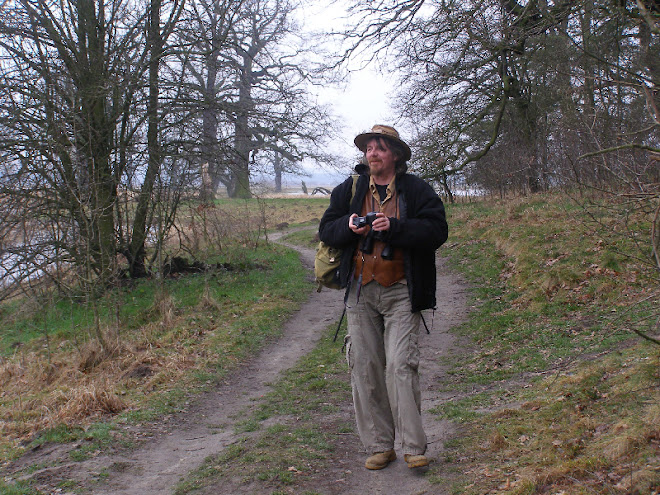
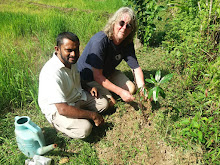
This is me

This is me
At the end of another Norfolk Coastal footpath walk. 47 miles, 3 days 99 species of bird. September 2009

Caley Wood view

Caley Wood view
sunshine through the canopy 29.05.08

A walk along the Warta Valley, Poznan, Poland. Feb 2007

A walk along the Warta Valley, Poznan, Poland. Feb 2007
Best birds on this walk: black and middle spotted woodpecker and short toed treecreeper

About Me

My photo
A primary school teacher for 30 years, I retired from teaching in July 2009 to set up my own science enhancement and communication company. The Primary Works offers science clubs, workshops and staged science shows nationwide. I have always been interested in bird watching since my early years. Apparently my first tick was after inquiring about a chaffinch and then receiving the Observer book of birds. By the age of 9 I had moved on to Tory Peterson's collins guide and was now involved on YOC birding holidays to Northumbria, Essex coast, Slimbridge and Yorkshire. My twitching rule is that I will willingly travel 1km for each gram the bird weighs. However, I have had many rarities just by being in the right place. I have travelled widely throughout Europe and also visited Australia and Sri Lanka. In 2016 I spent time at Portland Bird Obs and two trips to Aviero, Portugal. 2017 found me back in Sri Lanka in Feb/March, then July and back for New Year's Eve celebrations in December. Also returned to The Camargue in May for a 4 day trip. Few plans for 2018, but nothing yet booked apart from a trip to the IOW.

Grey heron

Grey heron
Over the allotment 28.09.08

Southern Hawker

Southern Hawker
Ridge footpath 27.08.08

Juvenile green woodpecker (17.08.08)

Juvenile green woodpecker (17.08.08)
Note the stripes, denoting a bird fledged this year.

common blue

common blue
Ash Valley G.C. 15.08.08

Indian balsam (impatiens glandulifera)

Indian balsam (impatiens glandulifera)
River Ash

azure damselfly

azure damselfly
River Ash 28.07.08

marbled white

marbled white
Discovered at Westland Green 22.07.08

ruddy darter

ruddy darter
Bush Wood 21.07.08

honeysuckle 19.07.08

honeysuckle 19.07.08
growing in hedgerow in Chapel Lane

cinnabar moth caterpillar

cinnabar moth caterpillar
Photographed on ragwort 19.07.08

Bittersweet

Bittersweet
Study of petals 11.06.08

male yellowhammer

male yellowhammer
08.06.08

common blue butterfly

common blue butterfly
06.06.08

River Ash

River Ash
looking south from the bridge at Hadham Ford

Common poppy (papaver rhoeas)

Common poppy (papaver rhoeas)
in rape field 29.05.08

Caley Wood sunshine

Caley Wood sunshine
29.05.08

Millenium Wood fox

Millenium Wood fox
24.05.08

common comfrey (symphytum officinale)

common comfrey (symphytum officinale)
06.05.08 banks of the River Ash

Garlic Mustard or Jack by the Hedge,(Alliara petiolata)

Garlic Mustard or Jack by the Hedge,(Alliara petiolata)
flowers, leaves and fruit edible . Good in salad and pesto

April showers

April showers
Double rainbow 30.04.08

Caley Wood bluebells

Caley Wood bluebells
22.04.08

Yellow Archangel

Yellow Archangel
Chapel Lane (20.04.08)

sunlight 16.04.08

sunlight 16.04.08
looking south west from Bush Wood

snowy buds

snowy buds
06.04.08 in Bush Wood

Looking north west

Looking north west
05.04.08 evening shower approaching

Back Garden

Back Garden
Easter Sunday (23.03.08)

Brick Kiln Hill

Brick Kiln Hill
Looking east (23.03.08)

No play today

No play today
The 2nd hole at Ash Valley golf course

Teasel head

Teasel head
Bush Wood (21.03.08)

Reflections

Reflections
daffodils at Bush Wood pond (21.03.08)

Swollen River Ash

Swollen River Ash
The river at the bottom of Winding Hill 16.03.08

Daybreak over the chapel

Daybreak over the chapel
Thursday 13th March

Wild daffodils (narcissus pseudonarcissus)

Wild daffodils (narcissus pseudonarcissus)
growing in Bush Wood

January snowdrops

January snowdrops
Banks of River Ash, north of Much Hadham

Good Moon

Good Moon
From garden 24.01.08

Village Green

Village Green
Looking east towards Acremore Street

Looking south before Hadham Ford

Looking south before Hadham Ford
rare January blue sky

Useful sites

The following are some useful websites that may interest readers of this blog.
Firstly, Bishop's Stortford Natural History Society http://bsnhs.webplus.net/

Fellow birder, Gary Whelan's blog. Gives reports from our trips out together plus reports from his trips abroad. http://hairybirders.blogspot.co.uk
http://www.hertsbirdclub.org.uk/ The official herts bird club website. Frequently updated, listing bird sightings around the county. Offers links to many other websites. Both of these sites also offer links to yahoo discussion groups.
http://www.birdforum.net/ An international site. You can enter as a guest but become a member( free) to post comments, bird sightings and just about anything to do with wild birds. Good news updates, classified section for binoculars, cameras etc.
http://www.guidedbirdwatching.com/ A new site set up where you can contact people worldwide who will help you find good birds in their country. UK section being set up presently.
http://www.britainsbirder.co.uk/
Fellow birders blog. Strtford resident, Graeme Smith regulary birds the area south of Stortford as well as around Spellbrook and the River Stort from Spellbrook to Twyford Locks. Some superb bird photography: Graeme uses a digital camera attached to his powerful telescope to get detailled images of the birds he sees. Well worth a browse.
Two local sites that may be of interest can be found at
http://www.thehadhams.com/ www.thepelhams.net/content/section/12/139/

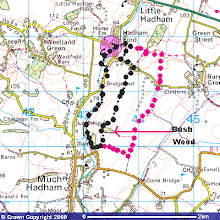
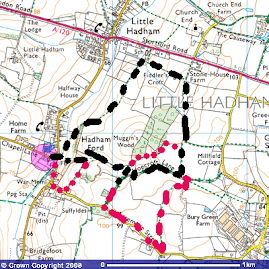
South Easterly walk

South Easterly walk
black, normal, red extended walk

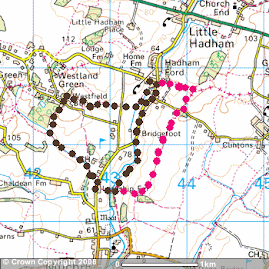
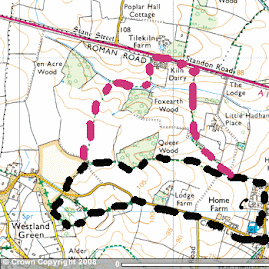
South Westerly route.

South Westerly route.
Black usual, red extended

North Easterly walk

North Easterly walk
black short, walk. Red, extended

North West Patch

North West Patch
black route regular. Red route the extended wander