Tuesday, 15 July 2014

Day 2: The Camargue.

Another superb day, very busy and plenty observed. Started with a local wander in the cool of the morning. Here scored with several species new for the trip including kingfisher, marsh harrier and serin. Then a 9 o'clock bus ride to the Parc Ornithologique. 7 euro entry but worth it. However, before this I visited some lagoons not far from the Parc and got black kite, wood sandpiper and another melodious warbler. Into the park and round the 4 mile track that surrounds the scrapes. Not too much about, but some pleasing photos esp herons, egrets and terns. A black crowned night heron got on to the list as did marsh warbler. All pretty good before a bus back to town.
I booked a boat trip up the Petit Rhone, but nothing new apart from 1 black redstart and some little terns. The former on a post and too far for a photo. Loads of great views of more herons and gulls. However, good views from the sea looking inland which will be useful for my illustrated talks on this area.
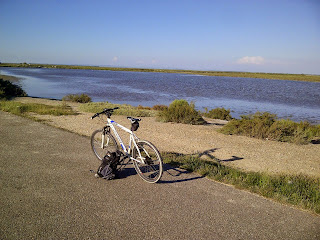
Upon returning I hired a bike for the next 2 days and went for a ride. My 1st cycle ride for over a decade. All happy with this, so tomorrow a longish ride round to the East, to La Capeliere. Few more views here, including some phone scoped black winged stilts as well as a gardian of the bulls.
Sent from my BlackBerry® smartphone www.blackberry.com

Monday, 14 July 2014

Day 1 To The Camargue.

A horrendously early start from home saw me at Luton airport at 4.30a.m. For the 6.20 flight to Nimes. All went well and I was at Nimes station by 10. Next train to Arles; 12.34, so off to the adjacent bus station, where there was a bus at 10.20. It didn't turn up and neither did the 11.20, so back for the train. I arrived in Arles just in time for the bus to Saintes Maries de la Mer, is arrived in the Capital of The Camargue before 2. A long journey of 11 hours!
However, well worth it as on the bus, especially once we had passed Albaron on the D570 I got: black winged stilt, bee eater, cattle egret, little egret, purple heron and, highlight, a flyover roller at Paty de la Trinity. Only my 2nd roller for this area. What a start.
I checked in at my sea side accomodation and unpacked binocs and scope + camera and was out within 15 minutes. Temp was touching 35C, so beer was bought for the walk along Le Digue de la Mer. This is a track to the south of the region and well worth checking out. Amongst plenty of regulars such as hirundines, common sandpipers and greater flamingoes, I scored with hoopoe (2) red crested pochard, shelduck, melodious warbler, zitting cisticola, sardinian warbler, sandwich tern and little tern. Indeed, a good start. Back at the room by 7pm and now for a shower and out for a meal. Hungry, thirsty and tired, but very relaxed. Might hire a bike tomorrow for a trip further along the Digue to La Capeliere reserve, some 25km away and on the East of the Etang de Vaccares.
Only phone shots at present.
Sent from my BlackBerry® smartphone www.blackberry.com

Saturday, 12 July 2014

New garden record 12.07.14

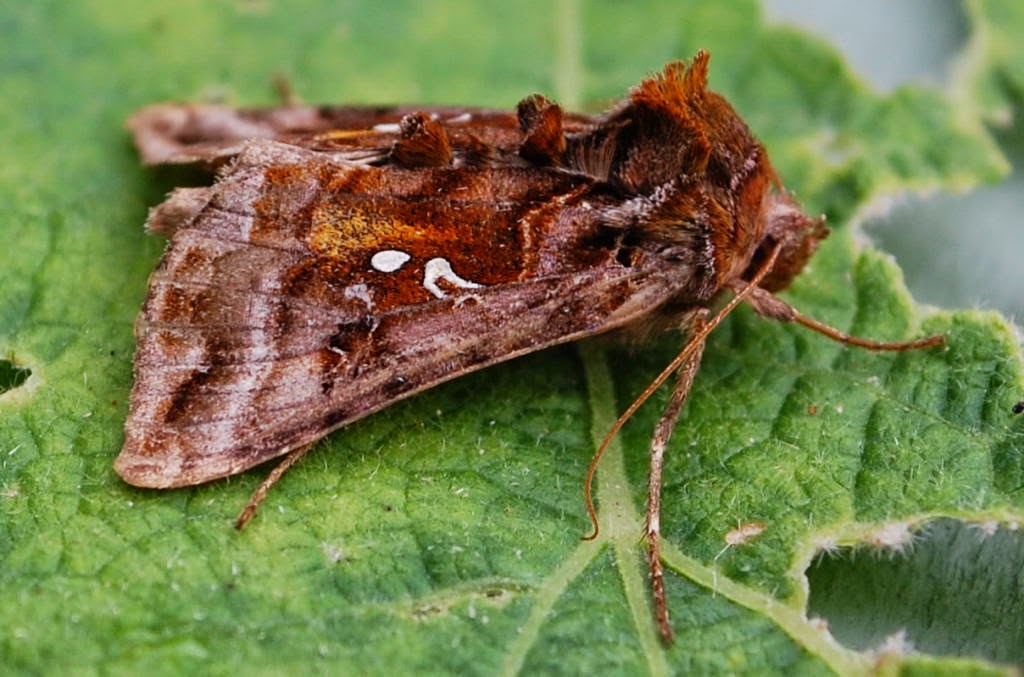
A real surprise this morning when, checking the trap later than usual, I went through the usual creatures: rustic, uncertain, smoky wainscot, common footman, Chrysoteuchia culmella, Crambus perlella, Eudonia mercurella etc. I then turned over an egg box to find a new moth for me, a shark. A good specimen and, whilst not a particularly rare moth for Herts, 119 seen since 1884, it is, nevertheless, a good garden record.
Another new for year moth was a small blood vein, that managed to disappear before I could get a photo; only my 3rd garden record for this species.
All in all, 28 moths of 23 species, so a most pleasing morning as my garden record now stands at 283 species,
Shark

Face to face with a shark

Chrysoteuchia culmella

Thursday, 10 July 2014

Good garden moth haul 10.07.14

Surprisingly, after a windy afternoon and gusty night, I had a good number of moths to the trap. I had visited the trap up to midnight and potted a few that I wasn't sure of and then returned at 4.30a.m. where, in poor light, I ended up with a fridge full for later id.
New for year macros were scarce footman and drinker moth while my micro number increased courtesy of Scorparia ambigualis and a caloptria sp yet to be dissected for id, but possible a good moth for Herts.
In all, 77 moths of 40 species, so, whilst not a garden record, a good number.
Eucosma cana

Epiblema roborana

Acleris holmiana

Celypha striana

Scarce footman

a worn Scorparia ambigualis.
All these id's are my own view and therefore open to question. Do please let me know if I am wrong.

As it was a good haul, thought I'd actually give a list;

Macros:
clouded silver (2), common footman (9), Common wave, Rosy minor, dunbar, Drinker (2 NFY), Clay, tawnymarbled minor, riband wave (3) least carpet, brimstone, dark arches, uncertain (3) smoky wainscot, treble brown spot, snout, waved black, large yellow underwing, mottled rustic, poplar hawkmoth, scarce footman (NFY) dwarf cream wave, willow beauty.

Micros:
Udea prunalis (4) Eudonia mercurella (5), Eudonia lacustrata (6), Pseudoargyrotoza conwagana, Chrysoteuchia culmella (8), Hedya pruniana, bee moth, Clepsis consimilana, mother of pearl, Acleris holmiana, Epiblema roborana, Pandemis cerasana, Ditula angustiorana, Scorparia ambigualis + the yet to be sorted Caloptria sp.

Tuesday, 8 July 2014

updated year list 08.07.14

After trips to Norfolk twice, plus a week away in Madeira, my year list has crept up a little. Since end of May, I have the following additions:
159. spoonbill
160. red crested pochard
161. quail
162. greenshank
163. little tern
164. spectacled warbler
165. red backed shrike
166. spotted redshank
167. sandwich tern
168. stock dove
Little Hadham red kite


A reasonable moth haul 08.07.14

What appeared to be a colder night than late actually turned out to be a good moth night, with 32 species represented, of 45 moths. New for the year were smoky wainscot, Epiphyas postvittana and Gypsonoma sociella.
Other surprise moths were two 2nd generation early thorns and 3 nut tree tussocks. Waves were well represented with riband wave, dwarf cream wave, single dotted wave and treble brown spot, as well as a least carpet.
early thorn

short cloaked moth

Yponomeuta evonymella
These additions take the running total for 2014 to 147 macros and 66 micros, and in total, I have trapped 1297 moths in the garden this year.

Sunday, 6 July 2014

National Moth Day 2. 06.07.14

Another night of National Moth Night so kept a reasonable eye on the trap, closing it at 5 for an inspection later. Overnight rain had a detrimental effect on numbers compared to the previous night, but plenty to keep me occupied with several new for year moths.
In the macros there were Bright line brown eye, dunbar and beautiful golden y alongside these micros: Olindia schmacherana, Acleris holmiana, Catopria falsella and Acleris forsskaleana.
Garden totals rise to 146 macros and 64 micros.
Acleris forsskaleana

Catopria falsella

beautiful golden y

Brown line bright eye
Whilst outside taking photographs of this morning's catch, I came across a humming bird hawkmoth, visiting garden buddleia. Shame, but very overcast, so unable to set the camera to a speed that will capture the wings as well as the body.
Hummingbird hawkmoth

Saturday, 5 July 2014

National Moth night: 05.07.14

As it was National Moth Night, I thought I would give a little more attention to the trap last night, so potted or listed everything that came past the trap as well as identified this morning the contents. Finished at 2a.m. and was back, in the rain, fairly early at first light to check those roosting on the fence and to close the trap to stop escapees.
All in all a good night with 43 species represented and a total of 80 moths. A good haul for the garden.
Several new for the year moths, that are always expected in early July: swallowtail moth, Freyer's pug, dingy footman and latticed heath in the macros and Anania coronata and Udea prunalis in the micros. However, new for the garden was a fine example of Argyresthia goedartella, an amazing metallic gold micro, common for Herts. but needs birch trees nearby.
Emmelina monodactyla

Rather worn Freyer's pug

Yponomeuta evonymella

Swallowtail moth

Dingy footman

Anania coronata

Udea prunalis

Argyresthia goedartella
Full species list from last night:
Macros:
Freyer's pug (2) swallowtail moth (2), Common footman (7), Beautiful hooktip (3), least carpet (2), Dingy footman, Riband wave, Lattice heath, Clouded silver, fan foot (3), Dot moth (3), Privet hawkmoth, Bright line brown eye (2) mottled rustic, dark arches (5), Engrailled, Dwarf cream wave, Rustic, Flame, Heart and Club, Common wainscot (2), Green pug.

Micros:
Agapeta hamana, Crassa unitella, Cydia pomonella (2) Eudonia mercurella (4), Anania hortulata, Chrysoteuchia culmella (4), Pandemis cerasana, Celypha lacuana, Pleuroptya ruralis (2), Notocelia uddmanniana, Aphomia sociella (2), Eudonia lacustrata (2), Argyresthia goedartella, Hedya pruniana, Anania coronata, Udea prunalis, Yponomeuta evonymella, Emmelina monodactyla, Pterophorus pentadactyla.

Thursday, 3 July 2014

Top moth night

Typical: I have a heavy workload and the weather changes and there are moths everywhere. Consequently, a quick check on the trap early this morning, basically listing macros and micros and potting as many as possible for identification at the weekend.
4 Old Ladies were new for the year, bashing around the trap along with a privet hawkmoth, which meant a most disturbed trap. Both species seem to take an age to roost and knock all other residents about.
Of the already identified micros: Epiblema uddmanniana (bramble shoot moth,) Blastobasis decolorella and a Batia sp, probably lunaris but will need dissecting to check not a Herts first, were all new for the year. In all, well over 120 moths of at least 36 species. I am expecting another good haul tonight, 18C and cloud cover. Again, I have an early start for work, so no long period of trapping and potting into the small hours. Hope the weather stays for the weekend.
Edit: Batia species now confirmed as the most common one for Herts. Batia lunaris
Blastobasis decolorella

Batia lunaris

dwarf cream wave

single dot wave

Tuesday, 1 July 2014

Better moth night

Start of July and a huge improvement in moth numbers after the cold night on Sunday/Monday when I recorded an all time low for June, 4 moths with scalloped oak and heart and dart being the 2 macros and Ancylis achatana and Archips xylosteana being the micros.
This morning, 2 new macros in the shape of treble brown spot and dwarf cream wave along with micros Crassa unitella and Mother of Pearl. Other good moths were a privet hawkmoth, 10 common footman and 3 each of clouded border and barred straw.
These new ones take my macro total to 135 and the micro total to 48, with a few still to identify and presently residing in the fridge.
treble brown spot

Dwarf cream wave

Ancylis achatana

Mother of Pearl

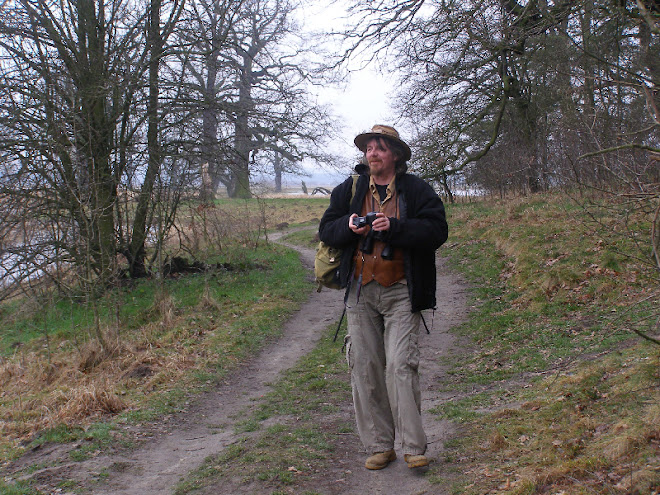
This is me

This is me
At the end of another Norfolk Coastal footpath walk. 47 miles, 3 days 99 species of bird. September 2009

Caley Wood view

Caley Wood view
sunshine through the canopy 29.05.08

A walk along the Warta Valley, Poznan, Poland. Feb 2007

A walk along the Warta Valley, Poznan, Poland. Feb 2007
Best birds on this walk: black and middle spotted woodpecker and short toed treecreeper

About Me

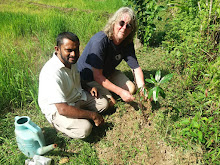
My photo
A primary school teacher for 30 years, I retired from teaching in July 2009 to set up my own science enhancement and communication company. The Primary Works offers science clubs, workshops and staged science shows nationwide. I have always been interested in bird watching since my early years. Apparently my first tick was after inquiring about a chaffinch and then receiving the Observer book of birds. By the age of 9 I had moved on to Tory Peterson's collins guide and was now involved on YOC birding holidays to Northumbria, Essex coast, Slimbridge and Yorkshire. My twitching rule is that I will willingly travel 1km for each gram the bird weighs. However, I have had many rarities just by being in the right place. I have travelled widely throughout Europe and also visited Australia and Sri Lanka. In 2016 I spent time at Portland Bird Obs and two trips to Aviero, Portugal. 2017 found me back in Sri Lanka in Feb/March, then July and back for New Year's Eve celebrations in December. Also returned to The Camargue in May for a 4 day trip. Few plans for 2018, but nothing yet booked apart from a trip to the IOW.

Grey heron

Grey heron
Over the allotment 28.09.08

Southern Hawker

Southern Hawker
Ridge footpath 27.08.08

Juvenile green woodpecker (17.08.08)

Juvenile green woodpecker (17.08.08)
Note the stripes, denoting a bird fledged this year.

common blue

common blue
Ash Valley G.C. 15.08.08

Indian balsam (impatiens glandulifera)

Indian balsam (impatiens glandulifera)
River Ash

azure damselfly

azure damselfly
River Ash 28.07.08

marbled white

marbled white
Discovered at Westland Green 22.07.08

ruddy darter

ruddy darter
Bush Wood 21.07.08

honeysuckle 19.07.08

honeysuckle 19.07.08
growing in hedgerow in Chapel Lane

cinnabar moth caterpillar

cinnabar moth caterpillar
Photographed on ragwort 19.07.08

Bittersweet

Bittersweet
Study of petals 11.06.08

male yellowhammer

male yellowhammer
08.06.08

common blue butterfly

common blue butterfly
06.06.08

River Ash

River Ash
looking south from the bridge at Hadham Ford

Common poppy (papaver rhoeas)

Common poppy (papaver rhoeas)
in rape field 29.05.08

Caley Wood sunshine

Caley Wood sunshine
29.05.08

Millenium Wood fox

Millenium Wood fox
24.05.08

common comfrey (symphytum officinale)

common comfrey (symphytum officinale)
06.05.08 banks of the River Ash

Garlic Mustard or Jack by the Hedge,(Alliara petiolata)

Garlic Mustard or Jack by the Hedge,(Alliara petiolata)
flowers, leaves and fruit edible . Good in salad and pesto

April showers

April showers
Double rainbow 30.04.08

Caley Wood bluebells

Caley Wood bluebells
22.04.08

Yellow Archangel

Yellow Archangel
Chapel Lane (20.04.08)

sunlight 16.04.08

sunlight 16.04.08
looking south west from Bush Wood

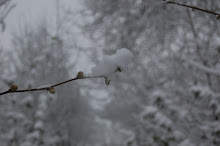
snowy buds

snowy buds
06.04.08 in Bush Wood

Looking north west

Looking north west
05.04.08 evening shower approaching

Back Garden

Back Garden
Easter Sunday (23.03.08)

Brick Kiln Hill

Brick Kiln Hill
Looking east (23.03.08)

No play today

No play today
The 2nd hole at Ash Valley golf course

Teasel head

Teasel head
Bush Wood (21.03.08)

Reflections

Reflections
daffodils at Bush Wood pond (21.03.08)

Swollen River Ash

Swollen River Ash
The river at the bottom of Winding Hill 16.03.08

Daybreak over the chapel

Daybreak over the chapel
Thursday 13th March

Wild daffodils (narcissus pseudonarcissus)

Wild daffodils (narcissus pseudonarcissus)
growing in Bush Wood

January snowdrops

January snowdrops
Banks of River Ash, north of Much Hadham

Good Moon

Good Moon
From garden 24.01.08

Village Green

Village Green
Looking east towards Acremore Street

Looking south before Hadham Ford

Looking south before Hadham Ford
rare January blue sky

Useful sites

The following are some useful websites that may interest readers of this blog.
Firstly, Bishop's Stortford Natural History Society http://bsnhs.webplus.net/

Fellow birder, Gary Whelan's blog. Gives reports from our trips out together plus reports from his trips abroad. http://hairybirders.blogspot.co.uk
http://www.hertsbirdclub.org.uk/ The official herts bird club website. Frequently updated, listing bird sightings around the county. Offers links to many other websites. Both of these sites also offer links to yahoo discussion groups.
http://www.birdforum.net/ An international site. You can enter as a guest but become a member( free) to post comments, bird sightings and just about anything to do with wild birds. Good news updates, classified section for binoculars, cameras etc.
http://www.guidedbirdwatching.com/ A new site set up where you can contact people worldwide who will help you find good birds in their country. UK section being set up presently.
http://www.britainsbirder.co.uk/
Fellow birders blog. Strtford resident, Graeme Smith regulary birds the area south of Stortford as well as around Spellbrook and the River Stort from Spellbrook to Twyford Locks. Some superb bird photography: Graeme uses a digital camera attached to his powerful telescope to get detailled images of the birds he sees. Well worth a browse.
Two local sites that may be of interest can be found at
http://www.thehadhams.com/ www.thepelhams.net/content/section/12/139/

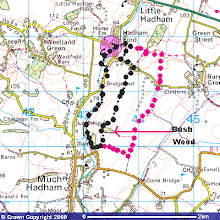
South Easterly walk

South Easterly walk
black, normal, red extended walk

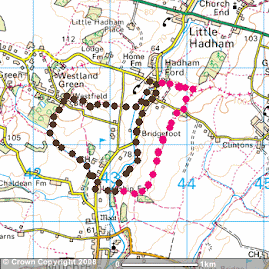
South Westerly route.

South Westerly route.
Black usual, red extended

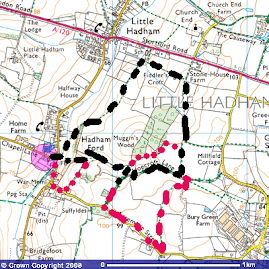
North Easterly walk

North Easterly walk
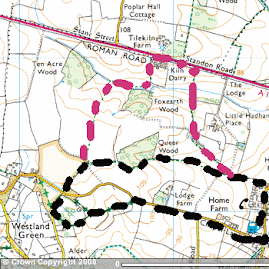
black short, walk. Red, extended

North West Patch

North West Patch
black route regular. Red route the extended wander